How long can foreigners stay on a korea medical visa or visa-free entry?
Foreign travellers entering South Korea for health reasons can stay between 30 days and one year, depending on their nationality, the nature of their care, and the visa category they hold.
A korea medical visa is an official entry permit granted by the Korean government to international patients and their accompanying caregivers for clinical care, consultations, or post-operative healing. If you come from a country with a visa-waiver agreement, you can enter South Korea without a separate visa for simple, non-invasive procedures or routine wellness checks. As outlined by the Korea Tourism Organization medical visa guide, visa-free entry allows stays between 30 and 90 days depending on your passport. Travellers visiting Jeju Island (제주도) under special visa-free provisions can also access selected health facilities without formal prior clearance.
When care requires a pre-arranged hospital plan or runs closer to several weeks, the designated short-term option is the C-3-3 visa. This status permits stays up to 90 days. It is issued for single, double, or multiple entries depending on your clinical itinerary, and it also covers immediate family members or designated guardians travelling along to provide bedside care.
If clinical evaluations reveal complications or if your treatment plan takes 91 days or longer, short-term visitation status is no longer suitable. In these cases, foreign patients transition to the G-1-10 Treatment and Recuperation visa. The G-1-10 status permits stays up to one year and covers accompanying spouses or direct family members assisting with daily needs. Detailed eligibility terms and updates are maintained on the VISITKOREA visa inquiry resource.
What documents and steps are required for a korea medical visa?
Securing a korea medical visa requires verified medical records from your home country, formal confirmation of care from a licensed Korean medical provider, and proof of sufficient funds to cover your procedures and living costs.

To begin your application through a Korean embassy, consulate, or the official online Visa Portal, you must gather specific paperwork. According to the VISITKOREA medical application requirements, applicants must supply a formal diagnosis or case history written by a licensed doctor at home. Alongside this, you need an official confirmation of reservation or treatment invitation letter issued by a medical facility registered under the Korean Medical Service Act. Standard personal records include your passport copy, recent passport-sized photographs, and documented proof of financial capacity to pay hospital fees and living expenses.
Working with an accredited facilitator can simplify the submission process considerably. The Ministry of Justice evaluates and designates outstanding medical tourism facilitators annually. As highlighted in the VISITKOREA medical tourism advisory, foreign patients represented by an officially designated facilitator can often have an electronic visa confirmation submitted on their behalf. In many instances, using a certified facilitator allows applicants to waive standard affidavits of financial support. Accredited facilitators also arrange hospital communication, schedule diagnostic slots, and coordinate on-the-ground appointments.
If you prefer to apply directly without an agency, ensure that all hospital appointment slips mention estimated procedural timelines. Applications made through overseas missions can take several weeks during peak periods, so submit your records well ahead of your intended flight date.
How should you structure your first 48 hours for medical treatment in Korea?
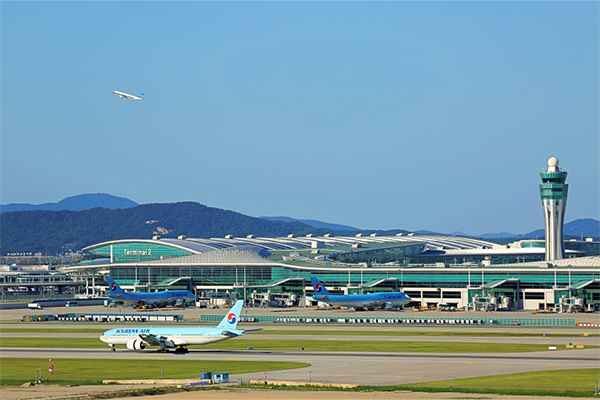
Your arrival period sets the tone for your medical journey. During hours 0 to 6, your primary focus is landing, customs, and settling into your base. If you land at Incheon International Airport (인천국제공항), you can visit the Medical Korea Information Center situated in Terminal 1. The desk provides immediate guidance on airport transit, hospital coordination, and general practical tips for foreign visitors. After collecting transit cards and personal connectivity tools, make your way directly to your accommodation so you can rest after travel.
Hours 6 to 24 should be devoted to pre-operative assessments and clinical orientations. Most registered clinics and major medical centres run required baseline evaluations prior to surgery. These often involve basic blood work, imaging, physical diagnostics, and an in-person conversation with your attending specialist. Many designated hospitals provide multilingual interpretation services during these meetings to review medical consent paperwork, anaesthesia cautions, and recovery schedules.
Hours 24 to 48 transition directly into final pre-procedure instructions, clinical admission, and setting up your post-operative recovery environment. You will receive precise dietary restrictions, fasting cut-offs, and hygiene instructions from the nursing team. Use this time before admission to arrange comfortable resting areas, stock easy-to-digest groceries, and confirm that your companion understands post-discharge medication routines.
Frequently asked questions
Can I enter South Korea for medical treatment without applying for a visa in advance?
Yes, citizens of countries with visa-waiver agreements can enter South Korea without an advance visa for minor medical consultations, check-ups, or short procedures. Visa-free entries allow stays from 30 to 90 days depending on your passport nationality. However, if your medical care requires more than 90 days or complex hospital admission, you must obtain a formal medical visa before travelling.
What is the main difference between the C-3-3 and G-1-10 medical visas?
The C-3-3 is a short-term medical tourist visa intended for treatments, tests, or cosmetic procedures that require 90 days or less. In contrast, the G-1-10 is a Treatment and Recuperation visa designed for serious conditions or long rehabilitation lasting 91 days or longer. Both visa categories allow accompanying family members or designated caregivers to travel alongside the patient.
Can an accompanying family member get a visa to help me recover in Korea?
Yes, Korean visa regulations allow immediate family members or designated guardians to apply alongside the patient for both the C-3-3 and G-1-10 visas. The inviting hospital or registered agency includes the caregiver on the visa application, allowing them to remain legally in South Korea to assist with daily care and post-operative recovery throughout your stay.
What should I do if my recovery takes longer than my initial 90-day visa?
If your medical provider confirms that your recovery requires extended clinical care beyond your initial 90-day period, you must request a formal change in residence status to the G-1-10 visa. You can contact the Immigration Contact Center at 1345 or visit the Korea Visa Portal for inquiries about medical tourism visa options.
Updated 10 November 2026
Sources
- Korea Tourism Organization medical visa guide: **Visa-Free & Short-Term Stays:** Foreign patients from visa-waiver countries can enter for short procedures (up to 30 or 90 days depending on nationality) using regular tourism or visitation status For formal medical travel, Korea issues the dedicated short-term **C-3-3** (or general short-term visitation C-3-1) visa granting up to 90 days **Required Documentation:** Applying via a Korean embassy, consulate, or the online Visa Portal requires a medical diagnosis or medical records from home, official confirmation of appointment/invitation issued by a registered Korean medical institution or accredited facilitator, proof of financial ability to cover treatment and living expenses, passport copy, and photos Accredited facilitators designated by the Ministry of Justice can apply for confirmation online and streamline financial proof requirements **Visa Extensions & Long-Term Care:** If recovery or treatment extends past 90 days, patients cannot stay indefinitely on short-term status and must request an extension or transition into the **G-1-10** (Treatment and Recuperation) visa, which permits stays up to 1 year and covers accompanying caregivers Hours 24–48 cover final pre-op preparation, surgical admission, post-op rest, and settling recovery supplies
- VISITKOREA medical application requirements: **Visa-Free & Short-Term Stays:** Foreign patients from visa-waiver countries can enter for short procedures (up to 30 or 90 days depending on nationality) using regular tourism or visitation status **Required Documentation:** Applying via a Korean embassy, consulate, or the online Visa Portal requires a medical diagnosis or medical records from home, official confirmation of appointment/invitation issued by a registered Korean medical institution or accredited facilitator, proof of financial ability to cover treatment and living expenses, passport copy, and photos
- VISITKOREA visa inquiry resource: For formal medical travel, Korea issues the dedicated short-term **C-3-3** (or general short-term visitation C-3-1) visa granting up to 90 days **Visa Extensions & Long-Term Care:** If recovery or treatment extends past 90 days, patients cannot stay indefinitely on short-term status and must request an extension or transition into the **G-1-10** (Treatment and Recuperation) visa, which permits stays up to 1 year and covers accompanying caregivers
- VISITKOREA medical tourism advisory: Accredited facilitators designated by the Ministry of Justice can apply for confirmation online and streamline financial proof requirements Hours 6–24 focus on pre-operative consultations, blood work, diagnostic evaluations, and interpreting services