Why does the Korea yellow dust season happen every spring?
The Korea yellow dust season is driven by seasonal meteorological shifts that sweep dry soil particles across Northeast Asia into the peninsula every spring. Known locally as hwangsa (황사), yellow dust is an atmospheric phenomenon where dry surface soils and fine mineral particulates from arid regions—predominantly the Kubuchi Desert in Inner Mongolia and parts of mainland China—are lifted high into the atmosphere and transported eastward by prevailing westerly winds.
Historical records from government monitoring indicate that fine particulate spikes occur predominantly in early spring, reaching their highest concentration around March. During this period, dry seasonal air currents combine with regional atmospheric congestion, preventing airborne particles from dispersing quickly. According to reporting from Korea.net on environmental forestry, deserts such as the Kubuchi generate roughly 40 percent of the airborne dust that crosses into Korea, prompting long-term cross-border tree planting initiatives to establish green shelterbelts and suppress sand movement at the source.
Because yellow dust particles often carry industrial emissions and fine crustal material gathered along their flight path, they differ from ordinary regional pollen. Environmental agencies from major metropolitan centers such as Seoul and provincial authorities regularly coordinate with international partners to monitor these transboundary movements, as reported by Korea.net coverage on bilateral air quality cooperation. For visitors staying multiple weeks across Korea, understanding this seasonal cycle helps remove surprises when skies take on a muted amber hue.
How should you monitor air quality and protect yourself outdoors?
You can protect your respiratory system by monitoring official particulate levels daily and adopting physical barriers whenever regional advisories are posted. Korea evaluates air quality through two primary metrics: fine dust (PM10) and ultrafine dust (PM2.5). According to public health frameworks released in Korea.net government briefing records, national authorities enforce targeted seasonal particulate management systems between late winter and spring to limit airborne pollution and issue timely public warnings.

Travellers can follow real-time measurements in English through digital portals linked directly to regional government meteorological divisions, which publish live readings and issue warning alerts when concentrations cross health thresholds. Facilities such as public observatories and outdoor recreational grounds even adjust or suspend public programming when severe fine and yellow dust warnings take effect, as documented in Korea.net regional culture reporting.
When official warnings indicate heightened dust levels, public health authorities recommend specific daily adjustments:
- Wear certified filtration masks rated KF94 or KF80, which are designed to capture fine airborne particulate matter before it reaches your lungs.
- Reduce strenuous outdoor exercise during active advisories, replacing long jogs or hill climbs with indoor activities.
- Keep windows firmly closed inside your accommodation during peak influx periods to maintain clean indoor air.
- Wash your hands and face thoroughly as soon as you step indoors to remove lingering surface dust.
- Drink regular sips of water throughout the day to keep oral and nasal mucosal membranes hydrated and reduce throat irritation.
Long-term travellers staying in private apartments across cities like Seoul or Jeonju will find that managing indoor ventilation and stocking high-filtration masks at the entryway makes daily travel comfortable, even when air quality dips for a couple of days.
How do you buy allergy medicine at a local pharmacy in Korea?
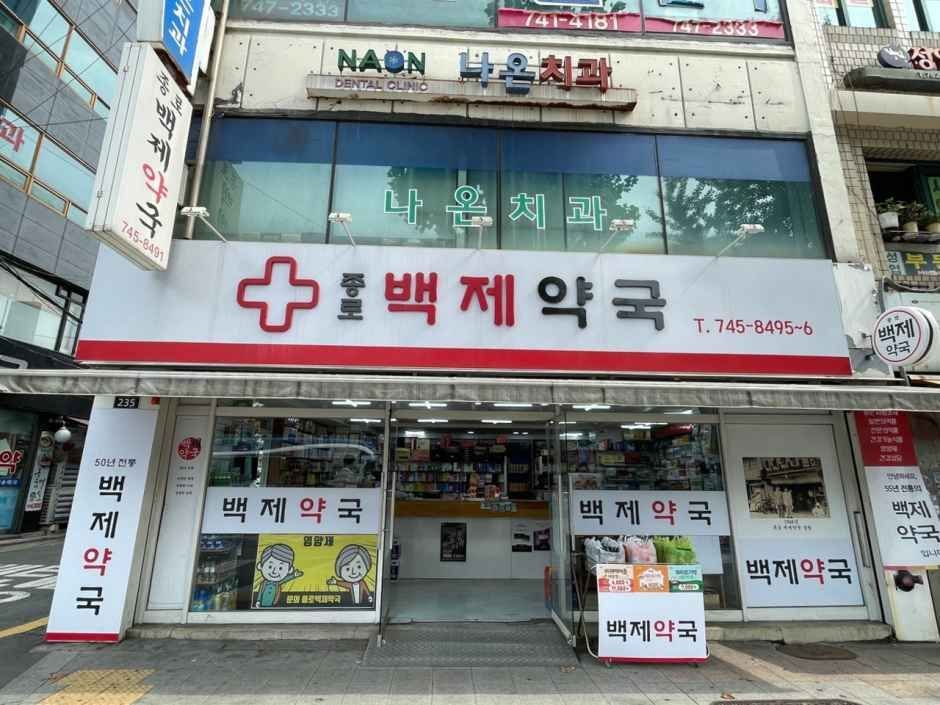
You can purchase effective allergy and dust relief remedies directly at neighborhood pharmacies without seeing a doctor first. In South Korea, local community pharmacies, known as yakguk (약국), serve as accessible frontline healthcare hubs in every residential district and commercial street. As detailed in the VisitKorea pharmacy guide, visitors can walk straight up to the counter and consult a licensed pharmacist without booking a hospital or clinic appointment.
Communicating your symptoms is straightforward. Pharmacists are accustomed to helping visitors and can assess descriptions typed into a smartphone translation app or match active ingredients shown on a photograph of your preferred medicine bottle from home. If you suffer from itchy eyes, nasal congestion, or scratchy throat caused by spring pollen and dust, pharmacies stock a broad selection of over-the-counter options:
- Second- and third-generation oral antihistamines such as cetirizine, loratadine, and fexofenadine, which relieve allergic reactions with minimal daytime drowsiness.
- Oral decongestants formulated to clear blocked nasal passages and sinus pressure.
- Sterile saline nasal flushes to rinse trapped dust particles from your airways.
- Soothing antihistamine or lubricating eye drops to relieve irritation caused by airborne grit.
If you find yourself needing medication late at night or over a holiday weekend, the Korean Pharmaceutical Association maintains directories for designated on-duty and late-night pharmacies.
Frequently asked questions
What is yellow dust called in Korean?
Yellow dust is known as hwangsa in Korean. The term refers to the dry, mineral-heavy dust blown from northern Asian desert regions across the peninsula during the spring months.
Do I need a doctor prescription to buy allergy medicine in Korea?
No, you do not need a prescription for standard allergy medication. Licensed community pharmacies carry over-the-counter second- and third-generation antihistamines, decongestants, saline nasal sprays, and eye drops directly behind the counter.
Which face mask is recommended for yellow dust season?
Korean health authorities recommend KF80 or KF94 filtration masks. The KF rating stands for Korean Filter, and these masks are specifically certified to block fine dust and particulate matter from entering your respiratory tract.
When does yellow dust season usually peak in South Korea?
Yellow dust activity occurs predominantly throughout early spring, with peak concentrations and frequent advisories historically recorded during March due to dry regional winds and atmospheric congestion.
Updated 10 November 2026
Sources
- Korea.net coverage on bilateral air quality cooperation: **Yellow Dust Dynamics & Seasonality:** *Korea.net* reports that yellow dust (*hwangsa*) and fine particulate matter originate largely from desert regions in Inner Mongolia and mainland China, blown eastward across the Korean Peninsula Travellers can track official real-time readings through English-language portals and platforms linked to regional government meteorological divisions
- Korea.net on environmental forestry: **Yellow Dust Dynamics & Seasonality:** *Korea.net* reports that yellow dust (*hwangsa*) and fine particulate matter originate largely from desert regions in Inner Mongolia and mainland China, blown eastward across the Korean Peninsula
- Korea.net government briefing records: Historical monitoring indicates seasonal fine particulate spikes occur predominantly in early spring—most severely around March—driven by dry seasonal air currents, prevailing westerly winds, and atmospheric congestion **Air Quality Monitoring & Standards:** National authorities implement targeted seasonal particulate management systems to monitor ultrafine dust (PM2.5) and fine dust (PM10) concentrations Key protective measures include wearing certified filtration masks (such as KF94/KF80), keeping windows closed during peak dust influxes, washing hands and face upon returning indoors, and remaining hydrated to alleviate mucosal irritation
- Korea.net regional culture reporting: Travellers can track official real-time readings through English-language portals and platforms linked to regional government meteorological divisions, which issue advisory alerts when levels breach healthy thresholds **Protective Daily Habits:** Public health frameworks advise reducing outdoor strenuous exercise during yellow dust and high fine-dust advisories Key protective measures include wearing certified filtration masks (such as KF94/KF80), keeping windows closed during peak dust influxes, washing hands and face upon returning indoors, and remaining hydrated to alleviate mucosal irritation
- VisitKorea pharmacy guide: **Accessing Pharmacy Care & Allergy Medication:** According to *VisitKorea*, local community pharmacies (*yakguk*) operate across urban and tourist districts, serving as accessible frontline consultation hubs where visitors can consult licensed pharmacists directly without a prior clinic appointment Over-the-counter second- and third-generation antihistamines (such as cetirizine, loratadine, and fexofenadine), along with decongestants, saline nasal flushes, and eye drops, can be purchased directly at the counter upon describing allergy symptoms