What types of restaurants stay open 24 hours in Seoul?
Seoul features a wide network of around-the-clock eateries centered on hearty meat stews, traditional rice soups, and convenience stores equipped with automated induction cookers.
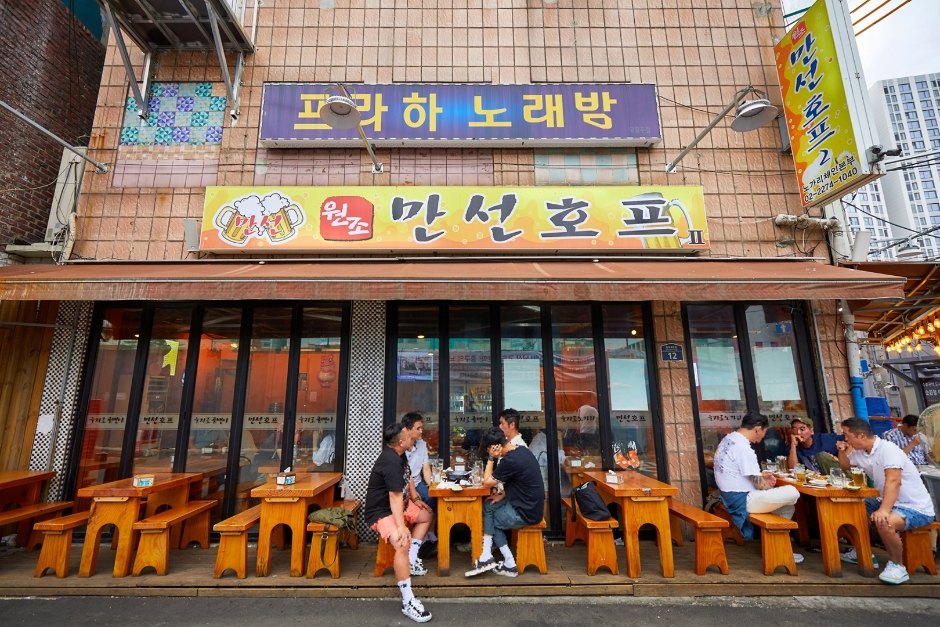
Late-night dining in Korea is built around communal comfort food designed to revive tired workers and late-night strollers. The most reliable midnight dining options are traditional diners serving gamjatang, which is a slow-simmered pork backbone stew, alongside haejangguk (hangover soup), traditional soup and rice spots, and bunsik eateries. A prime example in central Seoul is Wondang Gamjatang (원당감자탕) in Myeongdong [명동], located at 1F, 35 Myeongdong 8na-gil, Jung-gu. According to VISITKOREA's dining directory, the restaurant operates 24 hours a day, seven days a week, serving slow-simmered pork backbone stew, spicy hangover soup, bulgogi, and jokbal bossam (kimchi cabbage wraps with braised pigs' feet) to locals and visitors alike. Credit cards are accepted, and takeout is available around the clock.
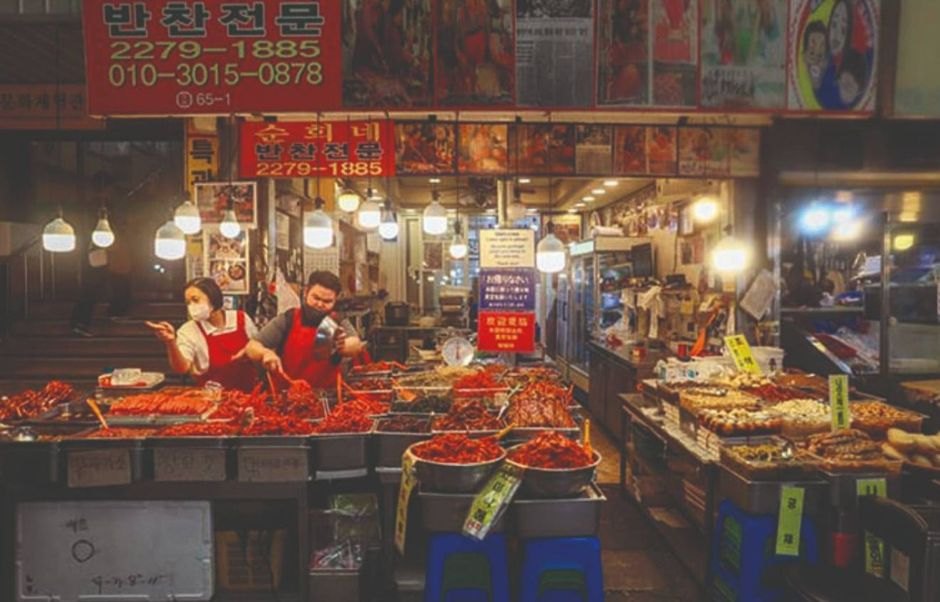
For casual quick bites in entertainment districts like Hongdae [홍대], specialized convenience hubs offer an informal alternative to sit-down restaurants. The CU Hongdae Sangsang Branch houses the Ramyun Library at 25 Jandari-ro, Mapo-gu. As detailed by VISITKOREA's Ramyun Library guide, this 24-hour shop features a display of 100 compartments holding nearly 105 instant noodle products, including 90 Korean staples from well-known brands. Multilingual shelf labels in English, Japanese, and Chinese list prices, flavor characteristics, and spice levels from mild to very hot. Customers select instant noodles, pay for a dedicated paper cooking vessel for 900 won, and prepare their meal using an automated instant noodle cooker. Options on display include Budaejjigae Noodle Soup for 1,600 won, Ansungtangmyun Mild for 900 won, and Sesame Ramen for 1,350 won, offering hot comfort food at any hour of the night.
Convenience stores across the entire city operate 24/7 all year round, providing not only instant food and drinks but also automated teller machines and transit card charging stations, as verified in VISITKOREA's practical travel guide. When planning extended stays around central neighborhoods like Jung-gu or Mapo-gu, travellers often position themselves near round-the-clock commercial districts to enjoy easy access to late night dining, with properties such as /en/stays/seoul/uh-suite-seoul-square/ providing a quiet base within reach of Myeongdong's midnight soup diners.
Where can you find fresh seafood in Seoul late at night?
Noryangjin Fisheries Wholesale Market serves as the primary destination for late-night and pre-dawn seafood, featuring live auctions and second-floor prep restaurants.
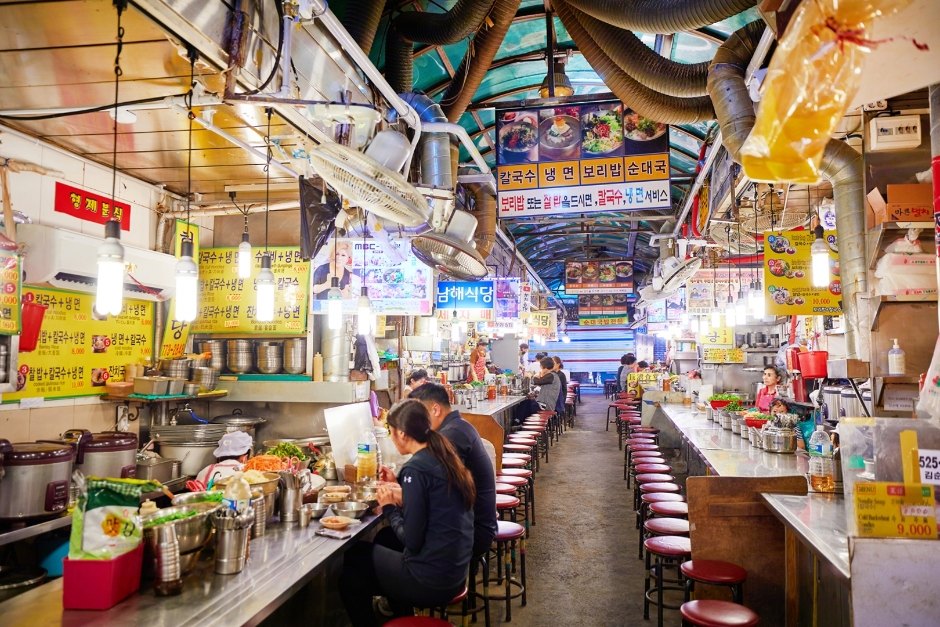
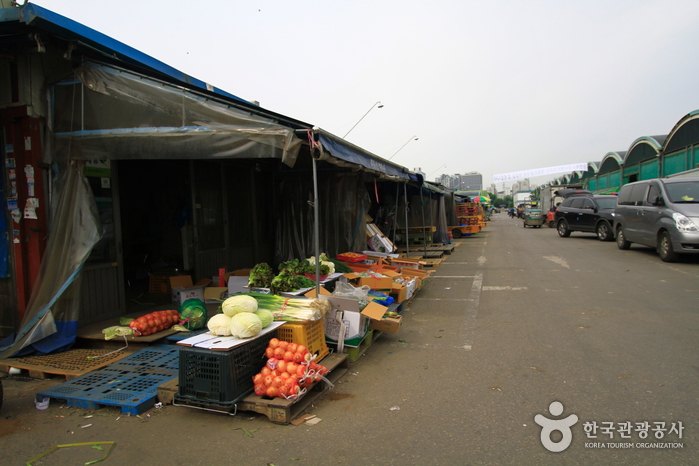
Noryangjin Fisheries Wholesale Market [노량진수산물도매시장], located at 674 Nodeul-ro in Dongjak-gu, has operated since 1927 and handles approximately 50 percent of the metropolitan area's seafood trade, moving 250 to 300 tons of products daily. Information verified through VISITKOREA's market guide confirms that its high-class live fish auction runs 24 hours. General fish auctions begin at 01:30, clam and shellfish auctions start at 01:00, and dried fish auctions commence at 23:00. The market floor reaches peak energy between 01:00 and 03:00, when wholesale bidding takes place.
Visitors can purchase live fish, mackerel, squid, abalone, crab, and other fishery products from ground-floor vendors and carry them up to the second-floor raw fish restaurants, where kitchens prepare the seafood as sashimi, steamed platters, or spicy stews. The building offers 1,160 parking spaces, with free parking between 04:00 and 08:00 and for vehicles leaving within 10 minutes. For those staying or visiting in the southeastern part of the city, Songpa-gu's Garak Market at 932 Yangjae-daero also operates wholesale facilities 24 hours daily, as confirmed in VISITKOREA's shopping directory.
How can travellers order late-night food delivery without a Korean phone number?
International visitors can order delivery food using specialized platforms like Shuttle Delivery, which accept foreign payment methods and do not require domestic identity verification.
Food delivery is deeply woven into Korean urban culture, with couriers delivering hot meals to homes, hotel lobbies, and designated riverside delivery zones, documented in VISITKOREA's overview of Korean delivery culture. However, standard domestic applications typically require identity authentication linked to a Korean resident registration card or local mobile contract, alongside domestic payment cards. This system often prevents international visitors on extended stays from ordering food late at night.
To bypass these hurdles, international travellers can use Shuttle Delivery, an app highlighted by VISITKOREA's app directory. As detailed in VISITKOREA's Shuttle Delivery guide, the service permits account sign-ups without a local phone number, features English menus and live-chat customer support, and accepts international credit cards and PayPal. Shuttle Delivery provides service across major Seoul core zones including Mapo-gu, Yongsan-gu, Jung-gu, Jongno-gu, Seodaemun-gu, Gangnam-gu, and Gwangjin-gu. Popular order items include fried chicken, pizza, tteokbokki, and gimbap. While daytime services like Creatrip provide delivery booking between 14:00 and 23:00 with last order at 22:00, Shuttle Delivery serves late-night requests depending on open restaurant hours in your specific neighborhood.
Delivery can even be made to designated public pickup locations. Along the Hangang River, Seoul has established delivery zones called baedal zones to streamline handoffs and prevent bicycle collisions. Verified pickup points include Ttukseom Hangang Park Delivery Zone 1 at 427-1 Jayang-dong, Gwangjin-gu, and Yeouido Hangang Park Delivery Zone 1 at 85 Yeouido-dong, Yeongdeungpo-gu. Travellers using these zones input the delivery zone address directly into the mobile application and meet the courier outside.
Frequently asked questions
Is late-night dining safe for visitors in Seoul?
Yes, dining late in Seoul is widely considered safe. The city maintains low crime rates, well-lit commercial avenues, and populated night streets where late workers, taxi drivers, and groups socialize without tension. Walking to convenience stores or open diners after midnight is normal urban life across the city.
Are credit cards accepted at midnight restaurants in Korea?
Yes, most places in Korea accept credit cards even for small purchases, except for a few small family-run businesses. Cash is rarely required unless purchasing small bites from occasional open-air street carts. International credit cards function smoothly in standard point-of-sale card readers.
What dishes are considered classic Korean comfort food for late-night meals?
Gamjatang (pork backbone stew), haejangguk (hangover soup), fried chicken, jokbal (braised pigs' feet), and hot instant noodles are classic midnight staples. These hearty, warming dishes are shared widely after evening gatherings or long night walks.
Can you get food delivered to public parks late at night in Seoul?
Yes, food can be delivered to designated delivery zones (baedal zones) at riverside parks like Ttukseom and Yeouido. Customers set the delivery address to the specific zone in apps like Shuttle Delivery and coordinate with couriers through live chat.
Updated 11 November 2026
Sources
- VISITKOREA's practical travel guide: Seoul maintains an active 24/7 dining culture Korea features round-the-clock food delivery across major metropolitan zones, including parks and accommodations Dining late is an entrenched part of urban life in Korea Nightlife districts, 24/7 convenience networks, and well-lit commercial streets are routinely populated by night workers and social gatherings, making midnight dining safe, accessible, and commonplace for long-stay travellers
- VISITKOREA's dining directory: Common establishments operating around the clock include *haejangguk* (hangover stew) and *gamjatang* (pork backbone stew) diners (such as Wondang Gamjatang in Myeongdong), traditional soup and rice (*gukbap*) spots, and *bunsik* eateries
- VISITKOREA's overview of Korean delivery culture: Common establishments operating around the clock include *haejangguk* (hangover stew) and *gamjatang* (pork backbone stew) diners (such as Wondang Gamjatang in Myeongdong), traditional soup and rice (*gukbap*) spots, and *bunsik* eateries
- VISITKOREA's Ramyun Library guide: In entertainment districts like Hongdae, specialized 24-hour convenience hubs such as the CU Ramyun Library allow visitors to cook instant noodles late into the night
- VISITKOREA's market guide: The primary destination for late-night and pre-dawn seafood is the **Noryangjin Fisheries Wholesale Market** Its high-class live fish auction sections operate 24 hours, general and clam auctions commence between 01:00 and 01:30, and second-floor seafood preparation restaurants cater to night visitors
- VISITKOREA's shopping directory: Songpa-gu's **Garak Market** also operates wholesale facilities 24 hours daily
- VISITKOREA's Shuttle Delivery guide: Korea features round-the-clock food delivery across major metropolitan zones, including parks and accommodations While standard local apps often require domestic identity validation, foreign-friendly services highlighted by KTO—such as **Shuttle Delivery** and **Creatrip**—permit ordering without Korean phone verification and accept international credit cards and PayPal across districts like Yongsan, Mapo, Gangnam, and Jongno
- VISITKOREA's app directory: While standard local apps often require domestic identity validation, foreign-friendly services highlighted by KTO—such as **Shuttle Delivery** and **Creatrip**—permit ordering without Korean phone verification and accept international credit cards and PayPal across districts like Yongsan, Mapo, Gangnam, and Jongno